Reliable Toothpaste Filling Machine Supplier in China
- Accurate and consistent filling for every tube
- Designed for pharmaceutical-grade hygiene requirements
- Advanced temperature control to protect product integrity
- Compatible with all kinds of toothpaste formulas
- Smooth, reliable operation even under high-speed production
Toothpaste Filling Machine Series

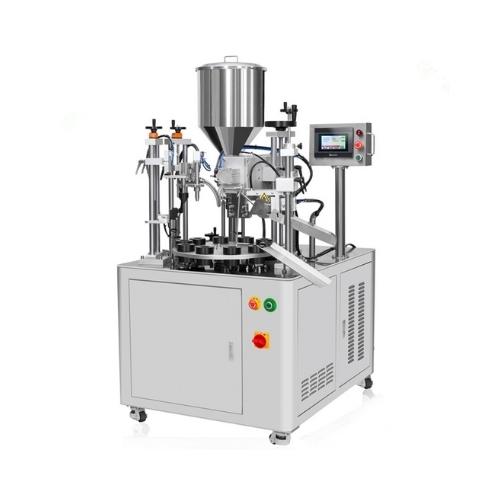
Designed for small businesses and lab environments, Jochamp’s semi-automatic toothpaste filling machine offers a perfect balance of efficiency and affordability. With minimal training, your operators can get up and running quickly, while you save on labor and boost productivity.

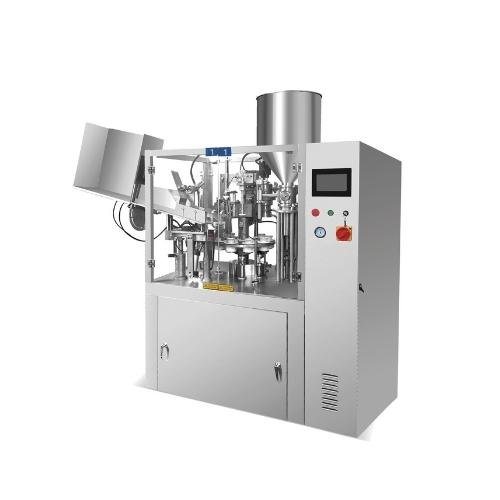
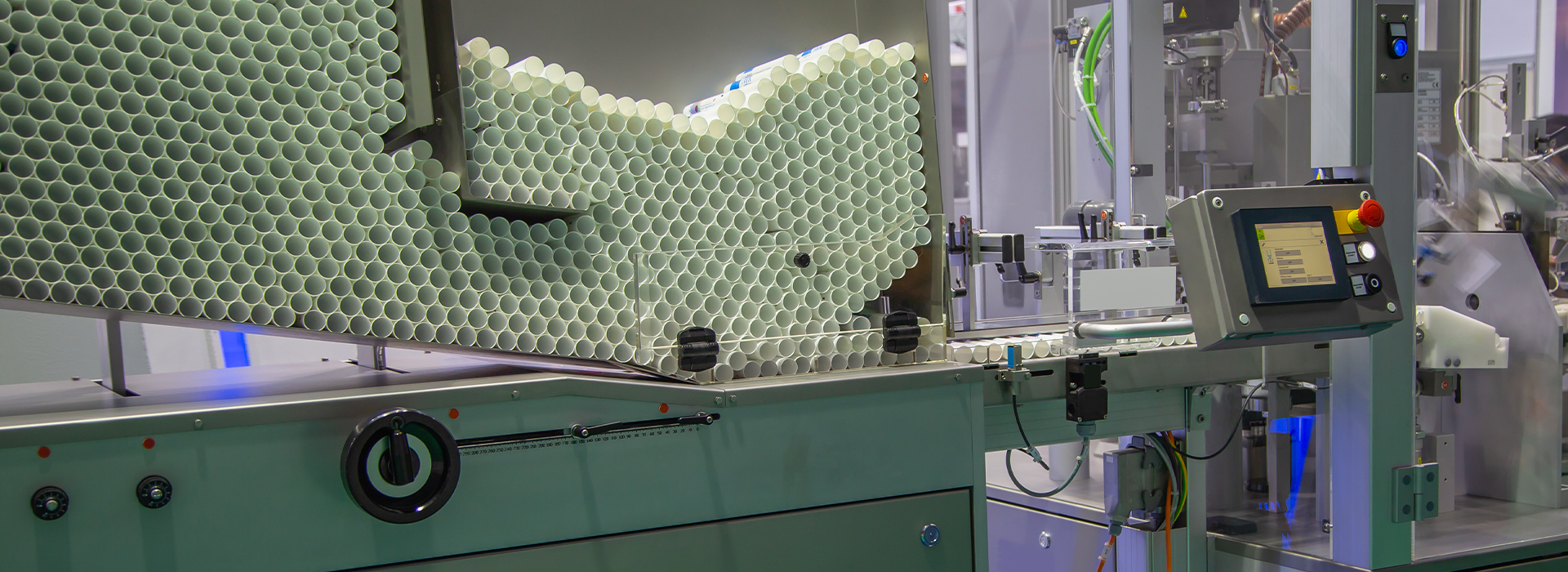
Jochamp’s automatic toothpaste filling machine comes with an advanced tube storage and feeding system that keeps your line running with minimal interruption. While the storage unit ensures you always have empty tubes ready, the automatic feeder delivers them precisely into place, no manual handling, no delays.

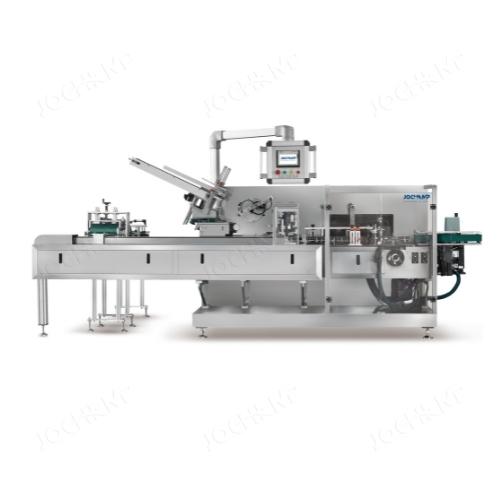
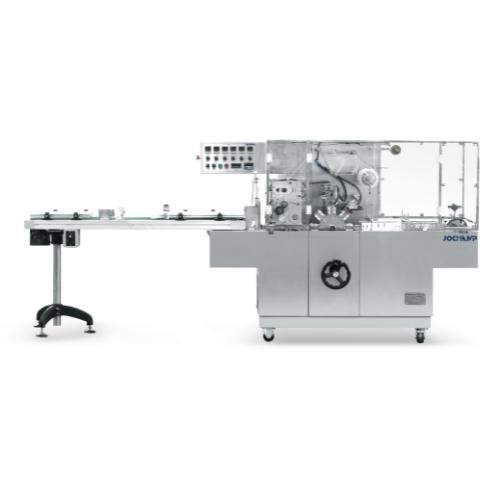
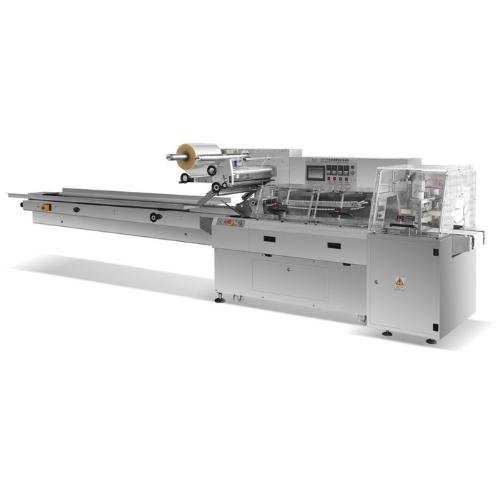
After filling, a toothpaste carton filling machine is usually integrated, forming an efficient and complete filling production line. This integrated production line simplifies the entire filling process. The seamless connection between the two machines reduces manual intervention, reduces the risk of errors, and increases production speed.
What is the Tooth Filling Machine
A toothpaste filling machine is a specialized packaging system designed to fill toothpaste into pre-formed tubes or containers with high accuracy and minimal waste. It automates the entire filling and sealing process to ensure every tube looks perfect and stays hygienic.
The Benefits of the Toothpaste Filling MachineÂ
Let’s be honest, manually filling toothpaste is messy, inconsistent, slow, and prone to product loss. With a reliable toothpaste filling machine:
- Improved efficiency and output speed
- Increased accuracy and safety
- Reduced waste and human error
- Meet GMP and hygiene standards
- Maintain a professional product appearance
- More scalable production line
Whether you’re packaging any material of toothpaste, the right filling machine helps your brand look more professional while cutting costs in the long run.
How the Toothpaste Filling Machine WorksÂ
Here’s a simplified breakdown of the typical workflow:
- Tube Feeding – Tubes are automatically loaded into the machine
- Positioning – Each tube is aligned precisely for filling
- Filling – The machine dispenses a preset volume of toothpaste
- Sealing – The tube is heat-sealed or folded depending on the material
- Coding and Ejection – Batch numbers are printed and the finished tubes are released
All this happens in a continuous, controlled manner, with minimal human intervention.
What Consists of the Toothpaste Filling Machine
Every part of our semi-automatic and automatic toothpaste filling machines is carefully designed, from the sturdy stainless steel frame and hygienic storage tank to the precise filling nozzles, advanced sensors, and PLC-controlled sealing units. Here’s a quick look at the key components that keep your operation running smoothly, accurately, and safely.
-
Safety System
Safety is of paramount importance in the filling process. If safety cannot be guaranteed, many major production accidents are likely to occur.
- Sensor Rod and Tube Sensors
Sensing rods and tube sensors are key components in automating toothpaste filling lines. These industry-standard, high-precision sensors detect when each tube is correctly positioned and ready for filling. By accurately sensing the presence and orientation of the tube, they help prevent feeding errors and minimize downtime caused by human error.
With these sensors, the machine knows exactly when to start filling, rotating or moving the tube, allowing the line to run smoothly without constant human supervision. These sensors act as the “eyes” of the machine, ensuring that every step is accurate and reliable, while allowing operators to focus on other more important tasks.
- Overload Protection Sensors
Overload protection sensors are important components to ensure the safe operation of toothpaste filling machines. They monitor the working status of the equipment in real time. Once abnormal pressure or mechanical jamming is detected, the machine will be stopped immediately to effectively prevent equipment damage. This not only reduces maintenance costs and downtime, but also creates a safer working environment for operators.
It can be said that overload protection sensors are like a “safety net” for the machine, which can detect and avoid potential failures in time, allowing your production line to operate safely and efficiently.
- Tube Detection and Misfeed Alarm
The hose detection and wrong delivery alarm system is an important guarantee for the toothpaste filling machine to maintain efficient and intelligent operation.
Before filling begins, the sensor will check whether a tube is present, properly positioned, and facing the right direction before filling begins.Once the hose is found to be missing or in the wrong position, the system will immediately suspend the operation and issue an alarm to prevent paste waste, overflow pollution or equipment damage. It can be understood that this is a “built-in quality inspection” that intercepts errors before they occur.
- PLC Interlock Safety Control
The hose detection and wrong delivery alarm system is an important guarantee for the toothpaste filling machine to maintain efficient and intelligent operation.
Before filling begins, the sensor will check whether a tube is present, properly positioned, and facing the right direction before filling begins. Once the hose is found to be missing or in the wrong position, the system will immediately suspend the operation and issue an alarm to prevent toothpaste waste, overflow pollution or equipment damage. It can be understood that this is a “built-in quality inspection” that intercepts errors before they occur.
- Emergency Stop Button
The emergency stop button is the kind that you rarely notice, but once something goes wrong, it is the button you need most. One-second shutdown and zero-delay response give the operator a real sense of control in an emergency.
When many old filling machines have problems, the operator has to spend time looking for the control switch, and sometimes misses the best time. Now, with just one button, the entire line is immediately paused, which can protect the equipment and avoid greater losses.
-
-
Machine Frame
-
- Stainless Steel Housing
Stainless steel is not for appearance, but to allow the machine to run steadily in high humidity and high strength environment. It will not rust or loosen after several years of use, and it will be like new after daily wiping.
- Modular Machine Base
The modular machine base isn’t just about convenience, it’s about future extension. It allows quick access to key components, easier maintenance, and space to scale or reconfigure as your production needs evolve. Whether you’re running a basic line or planning for automation upgrades, the base can fit you.
- Turntable and Rotary Platform
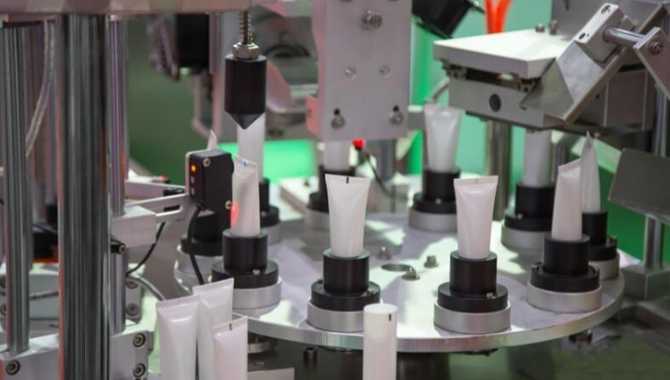
Watch the process closely and you’ll see the turntable doing more than just spinning tubes. It’s coordinating timing, positioning each tube precisely, and syncing perfectly with filling and sealing steps. The rotary platform acts as the central rhythm of the entire machine, quietly keeping everything in sync, cycle after cycle.
- Component Mounting Brackets
Nobody talks about the mounting brackets until you need to replace a part. These brackets hold key components firmly in place, but more importantly, they make maintenance fast and clean. No messy rewiring, no full disassembly. Just loosen, swap, and go.
-
Hopper and Storage Tank
To ensure stable filling, front-end preparation is critical. The function of the hopper and paste storage tank is to mix the paste evenly, heat and keep it warm in advance, maintain appropriate fluidity, and lay a good foundation for subsequent filling.
- Product Hopper with Mixer
You definitely don’t want the paste to be thick when you first put it in, but become thinner later, right? The stirring hopper is designed to solve this problem. It can continuously stir to prevent stratification and sedimentation, so that each tube of toothpaste has a consistent texture, uniform color, and smooth filling. Whether you are making a thick paste or a transparent gel, it can handle it steadily.
- Heating JacketÂ
Some pastes will thicken or even clump at room temperature, affecting the filling flow rate. At this time, the heating interlayer is particularly important. It can stably heat the paste in the hopper, maintain appropriate fluidity, prevent material blockage and wire drawing, ensure smooth filling and stable quality. The temperature is controllable, will not overheat, and will not affect the product ingredients.
- Level Sensors
You don’t want your hopper running empty, or worse, overfilled and spilling. That’s where level sensors quietly step in. They constantly monitor the product level inside the tank and alert the system when it’s time to refill or slow down. Just smooth, uninterrupted production.
-
Filling Nozzles
The filling nozzle may seem like a small part, but it is actually the key to filling accuracy and finished product appearance. It is responsible for accurately delivering the paste into the hose to avoid splashing, deviation or uneven filling. Regardless of whether the paste is thick or fluid, as long as the filling nozzle is well designed, every tube of toothpaste can be filled accurately and steadily.
- Anti-Drip Nozzles
One of the most frustrating things during filling? When the paste keeps trailing or dripping. It messes up the sealing and makes a mess of your equipment. That’s where the anti-drip filling nozzle steps in , it cuts off the flow right on time, keeping each tube clean and precise. Less waste, fewer smudges, and a far more professional finish.
- Filling Heads
The filling head is a key component in the tube filling process. It accurately controls the amount of paste in each tube to ensure a steady and smooth flow rate. Whether it is thick paste or gel toothpaste, a high-quality filling head can ensure that each tube is filled evenly and without leakage. It is the key to achieving stability and efficiency.
- Dosing Pumps
The metering pump is the heart of the toothpaste filling machine. It controls the filling amount of toothpaste to the canning head to ensure the consistent quality of each toothpaste.
- Adjustable Flow Control
Different pastes have different flow speed requirements, so adjustable flow control is needed. You can flexibly adjust the filling speed according to the viscosity of the toothpaste, without splashing or clogging the paste. Whether it is a thick paste or a refreshing gel, it can be filled smoothly, with more stable results and higher efficiency.
-
-
Tube Clamping Mechanism
-
- Automatic Tube Feeding System
Manually loading tubes one by one? That’s too inefficient. The automatic tube supply system can automatically take out the hoses from the tube storage bin and accurately deliver them to the filling position without manual intervention. It not only saves manpower, but also avoids operational errors such as crooked placement and leakage, making the entire production line run more steadily.
- Tube Holders and Clamps
After the hose enters the station, whether it can be filled and sealed stably depends on the holders and clamps. They clamp each hose tightly to ensure that it is not swayed, filled accurately, and sealed properly, so that the whole process is clean and smooth without mistakes.
- Orientation SystemÂ
Can the label be attached correctly every time? This is not a coincidence, it is the positioning system that is at work. It uses sensors to automatically identify the position of each tube body, turn the tube to the correct position before sealing, and print uniformly, making your brand look more professional and look good on the shelf.
- Turntable Positions with Tube Sockets
The turntable is not just for rotation, it is the “dispatching center” of the entire filling line. Each hose is firmly stuck in its own slot, and goes through the various processes such as tube supply, filling, sealing, and coding in sequence with the turntable. Each tube position is precisely aligned to ensure that each step is completed in the correct position without jamming or deviation, so that the entire process is stable and efficient.
-
Sensor System
In the toothpaste filling machine, sensors are like its neural network, controlling every key action from inserting the hose to sealing the tail. Without them, the entire production line cannot run smoothly.
- Sensor Rod
When the hose hits the sensor rod, the system will receive a signal to confirm that it can enter the next filling process. Compared with simple electronic detection, the sensor rod can provide more direct and stable judgment, help avoid leakage and misfilling, and ensure that the entire production line runs safer and smoother.
- Tube Presence Detection
How to detect whether the hose is placed properly? The hose in-place detection system will use sensors to help you solve this problem. If the hose cannot be detected, the machine will automatically pause to avoid the paste from being sprayed empty or causing contamination.
This small function can avoid the trouble of rework, downtime and cleaning, and is the key to making the production line run efficiently and intelligently, without the need for manual supervision at all times.
- Orientation Sensors
Orientation sensors can detect the position of the toothpaste tube before filling and sealing, achieving a uniform effect for the toothpaste packaging and highlighting your brand’s professionalism.
- Position Confirmation Sensors
The position confirmation sensor is the last inspection process before filling and sealing. It is used to confirm whether the tube is completely aligned and fixed. If the position is not confirmed, it will prevent the PLC from starting the next action until it is confirmed. Without the positioning sensor, the tube may shift, affecting the appearance and sealing quality.
- Temperature SensorsÂ
The temperature sensor is a key component of the tail sealing heating. It continuously tracks the temperature fluctuations of the heating head in real time. Once the temperature deviates from the set value, the PLD will automatically adjust the heating power. It ensures that each tail sealing is consistent with the standard, allowing your production line to run stably and efficiently.
-
Tail Sealing and Cooling
After the toothpaste is filled into the tube, in order to ensure the sealing of the package, it needs to be sealed. Generally, the tail of the tube is first heated to soften it, and then it is compressed and cooled to plasticize.
- Internal and External Heating Heads
Heating is necessary to ensure a firm and neat seal. The internal and external heating heads do this job.
The heating head goes deep into the hose, heats the inner layer of the hose wall, softens the material, and prepares for subsequent sealing. When the plastic tube is thicker, the external heating head clamps the outer wall of the hose and heats it together.
The combination of the two allows you to heat the hose more evenly, making each sealing smoother and reliable.
- Sealing Jaws
After the hose is heated, the sealing jaws will grab the hose, press the hose opening into shape, and seal the hose opening firmly. Different hose types can choose different sealing jaws to keep each hose at the same height.
- Cutting Station (Trims Excess)
After the end is sealed, the cutting station will cut the excess material at the end of the hose, so that the toothpaste produced will have a neater and more beautiful appearance, making your brand look more professional.
- Cooling StationÂ
After the end is sealed, there is another very important step – cooling. It can quickly determine the properties of the filled toothpaste and avoid deformation during storage. If the temperature is not reduced in time, the softened tube mouth may rebound and the sealing will be affected.
- Code Printing Station
Before completing all packaging work, the toothpaste tube generally needs to be printed with product information such as production date and shelf life to meet product labeling and regulatory requirements so that consumers can purchase with confidence.
-
Control Panel
No one wants to flip through a bunch of complicated menus just to change the filling volume. So we designed the control panel to be as simple as possible, with a clear layout, sensitive touch, and intuitive operation. Whether it’s adjusting the temperature, switching recipes, or checking fault prompts, it can be done in a few steps.
It is prepared for “practical operators”: quick to get started, high efficiency, and fewer faults. In the workshop, the operation time is efficiency.
- Touchscreen HMIÂ
Each toothpaste filling machine of Jochamp is equipped with an intelligent touch screen operation interface, allowing you to truly realize “move your fingers and control the whole line”.
Whether it is setting the filling volume, adjusting the sealing temperature, or switching the production speed, just touch the screen to complete it. Need to switch product specifications? Call the formula with one click, no need to reset. The equipment status, output, and fault information are displayed in real time, and the operation is simple and intuitive, even novices can easily get started.
It is like a “production cockpit”, making complex automation processes clear at a glance and simple to control.
- User-Friendly UIÂ
When filling toothpaste, you may have different filling requirements, such as filling children’s toothpaste, fluoride toothpaste, whitening toothpaste, etc., then you need to set different parameters, including formula temperature, quality, and filling speed, etc. At this time, a control screen that can save these operations can help you solve it.
The friendly user interface allows your operators to easily switch different production parameters and save your production records for traceability at any time.
- Adjustable ParametersÂ
On the control panel, the operator can freely set some parameters according to your production formula, including speed, sealing heating temperature, filling specifications, etc. All operations are completed on the touch screen. Whether it is switching formulas or adjusting the temperature due to seasonal temperature differences, it can make your operation easier.
- Integrated PLCÂ
With a PLC control system, you can almost leave the “process coordination” to the machine itself. From filling to sealing, from temperature to rhythm, it is like an “invisible dispatcher” to keep all processes running stably. You only need to set the parameters, and it will automatically handle the rest. During use, you will clearly feel that there are fewer downtimes, fewer errors, and each step is just right. This is not only a control system, but also a stable engine behind the entire filling line.
- System Diagnostics and Alerts
Most equipment will only alarm when something goes wrong, but Jochamp’s filling machine will tell you what’s wrong in advance.
Whether it’s insufficient air pressure, sensor misalignment, or sealing temperature deviation, the system will continue to self-check. Once an abnormality occurs, the touch screen will immediately prompt, and even the details can be seen at a glance.
Unlike traditional equipment, it “stops only when something goes wrong” but actively warns and provides real-time feedback, greatly reducing downtime and helping you focus on production instead of troubleshooting.
Optional Add-ons
-
Tube Printer (Batch/Date Code)
Do you need more than just a batch number? Our optional module, the hose printer, provides a higher degree of freedom in printing, allowing you to print anywhere and on anything without restrictions.
Unlike standard coding units, it is not limited to tail printing, but can also print at high speed anywhere on the tube, suitable for LOGO, QR code, barcode, serial number, multilingual labels, etc.
It also supports variable data printing, making it an ideal choice for OEM brands, export packaging, or customized products. If you care about brand customization and product traceability, this upgrade is a worthwhile investment.
-
Extra Nozzle Sizes
Not all pastes flow the same, so neither should the filling nozzle.
We offer a wide range of interchangeable filling nozzles to suit different paste viscosities, hose diameters and filling speeds. Whether you are filling a highly viscous herbal toothpaste or a fluid cosmetic cream, you can choose the right nozzle for clean, precise filling.
All nozzles are quickly replaceable and fully compatible with our metering systems, helping you reduce waste, increase flexibility and easily cope with product switching.
-
Vacuum Degassing System
Bubbles may not be obvious to the naked eye, but they can seriously affect the filling effect. Filling in a lot of air will not only lead to inaccurate weight, but also may cause the end to be loose, the hose to swell, or even leak. The vacuum degassing system “removes” the tiny gas in the paste before filling, so that every tube of toothpaste is full, stable, and without problem.
-
Heating Jacket for Paste Tank
Some toothpaste formulas are particularly sensitive to temperature, especially in cold environments or when the paste is thick, which makes it more likely to harden and cause filling problems.
The heating jacket is designed for this purpose. It can gently heat the paste in the tank to ensure that the paste always maintains the fluidity suitable for filling and avoids condensation or clogging.
This seems to be a simple but very critical upgrade that can greatly improve filling stability, especially for temperature-sensitive products.
-
Auto Cap Feeding and Pressing
Manual capping and pressing are inefficient and prone to position deviation or poor sealing.
Our automatic capping and pressing system can complete this step efficiently and accurately. It automatically grabs, positions and places the cap, and then firmly presses it to ensure that each hose is tightly sealed.
This system increases production speed and stabilizes product quality and reduces labor input, making it very suitable for medium and large production lines.
Things to Consider Before You Buy the Toothpaste Filling Machine
Not every toothpaste filling machine fits every job. Before you decide, think about these key points:
- Will it handle the thickness of your toothpaste?
- Does it work with your tube type—plastic, laminate, or metal? What sizes?
- How fast and accurate is the filling? How many tubes per minute?
- How easy is it to clean—can it clean itself or do you have to do it by hand?
- Do you want a fully automated line or something semi-automatic?
- What about support—can you get help quickly if something goes wrong?
Picking the right machine isn’t just about specs. It’s about making your whole production process smoother, safer, and more dependable.
Key Machine Parameters
- Filling volume: 50–250 ml
- Filling speed: 30–60 tubes/minÂ
- Accuracy: ±1%Â
- Tube type: PE, laminated, aluminumÂ
- Power supply: 220V / 380V / 50Hz
Filling Tips: What to Watch Out For
To keep things running smoothly and get consistent results, here are a few tips to keep in mind during filling:
- Check the product thickness. Make sure your machine settings match your toothpaste or gel’s viscosity. Thicker stuff might need heating or special nozzles.
- Watch out for air bubbles. Air trapped in the tube can mess up the fill or cause bubbles. Make sure tubes are positioned well and air doesn’t sneak in during filling.
- Pick the right nozzle. Anti-drip or shut-off nozzles usually work best for toothpaste and gels to avoid messes.
- Keep tubes aligned. Misaligned tubes can spill or seal poorly. Use automatic centering or regularly check your tube holders.
- Clean often. Build-up on nozzles or filling heads can hurt accuracy and hygiene, so clean these parts between shifts or product changes.
- Check fill levels. If your machine weighs or measures volume, keep an eye on tolerance settings to prevent over or underfilling.
Following these simple steps helps keep your filling consistent, protects quality, and reduces waste and downtime.
Conclusion
Choosing a toothpaste filling machine is not just about parameters, but also about making your production line run smoother, more stable and more worry-free. Whether you are a small factory just starting out or a large manufacturer that needs to expand production, the right machinery maximizes output while minimizing effort and waste.
Our equipment focuses on practicality and long-term stable operation. From the intelligent sensor system to the mature tail sealing structure, every detail is to reduce your trouble. If you have higher requirements, such as vacuum degassing and automatic capping, we can also provide them.
If you are tired of inefficient and repeatedly debugged equipment, maybe now is the time to change to a more worry-free system. Tell us your needs and we will give you a truly suitable solution.
Yes, absolutely. We can add a recovery system that collects any unused paste from the filling process. It helps reduce waste while making better use of your materials.
No problem. Whether it’s a thick herbal paste, a gel, or a fluoride-heavy formula, our system is designed to adapt. You’ll still get accurate, clean fills across the board.
We’ve made cleaning as easy as possible. Many models support CIP (Clean-in-Place), and key parts can be disassembled quickly by hand. We’ll also give you a cleaning checklist so your team can keep everything spotless with minimal effort.
Absolutely. Our machines are built with corrosion-resistant materials like 316L stainless steel and can safely handle abrasive or fluoride-based pastes without wear on key components.
Our machines are compatible with a wide range of tube materials, including:
- Plastic (PE) tubes
- Laminated (ABL, PBL) tubes
- Aluminum tubes
Whether you’re using soft squeeze tubes for toothpaste or barrier-protected tubes for pharmaceutical pastes, we’ve got sealing options to match—like heat sealing, ultrasonic sealing, or crimping for aluminum. If you’re unsure which tube works best, we’re happy to recommend based on your product and sealing preference.