


The selection of proper packaging equipment is one of the key business decisions with a significant effect on productivity, cost per item, and presentation on shelves. Of the many options currently available in the industry, VFFS systems and horizontal flow pack wrapping machines may be considered the most popular. Both of the machines use rolls of flexible film to create pouches. However, each of the two has specific engineering characteristics, ways of material handling, and the products best suited for these machines. These basic differences will help manufacturing companies decide which machine to use in order to get the best result.

What Is a Horizontal Flow Pack Wrapping Machine?
A horizontal flow pack wrapping machine puts individual items in a pack using a conveyor that moves the products horizontally while film wraps them to make a sealed pack. The main product output is a tightly wrapped pillow pack, suitable for high-end retail.
How It Works
Products are manually or automatically loaded onto the in-feed conveyor belt. During this process, continuous film is drawn from the roll, tubed around the product, and sealed by two main sealing methods:
- Longitudinal Seal: Continuous seam that is formed either at the bottom or back end of the package using fin sealing or heated rollers.
- Cross Seal: Seals created transversely at the front and back ends of each package in order to cut the film from one package to another.
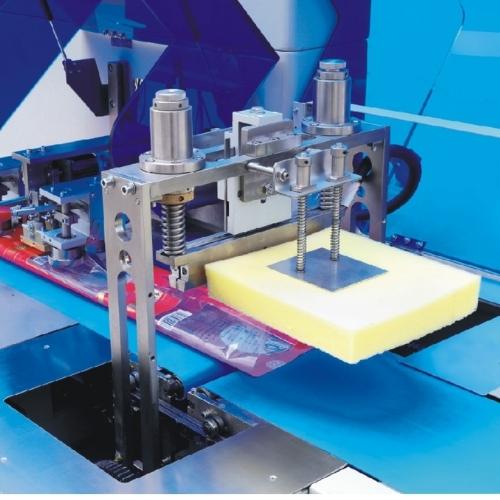
Based on the speeds and film types needed, cross-sealing could be done through rotary jaw or intermittent reciprocating actions. For example, there is the JOCHAMP JC-630 box motion flow wrapping machine, which has been developed to incorporate robust reciprocating seal jaws to allow thermal contact time while cross-sealing. Such a seal provides superior and strong seals (resisting pressures of over 0.18 MPa) and is suitable for thick laminated film packaging, MAP for fresh foods, and products with a height of up to 120 mm.
Popular Industries and Uses
The horizontal flow pack wrapping machine is used in many industries, including:
- Food & Bakery: Biscuits, chocolate bars, fresh bread, tortillas, frozen pastries, and trayed vegetables.
- Consumer Goods: Bar soaps, cutlery sets, sponges, and personal care kits.
- Industrial & Medical: Hardware pieces, automotive parts, syringes, and bandages.
Best for: Horizontal Wrapping
Ideal for handling solid or single-piece and/or regularly shaped objects that can be maintained in their structural integrity as they are transported along a belt.
Key Advantages
- Fast Continuous Production: The average speed of a single-lane horizontal flow pack wrapping machine ranges from 120 to 350 packages per minute.
- Gentle Handling of Products: Horizontal movement protects delicate baked goods and confectionery from impact shock.
- Excellent Wrapping Appearance: Wrapping is tight and wrinkle-free, which gives products better shelf appeal.
Disadvantages
Cannot be used for loose powdered, granular, or liquid materials.
Needs more floor space horizontally (about 3.5 to 6 meters).
2. What Is a Vertical Flow Wrapping Machine?
A vertical flow wrapping machine uses gravity to supply loose/bulk materials in a vertical film tube. The film tube is wrapped around a forming collar and closed vertically on the edges, filled from the top, and cut horizontally at the bottom.
How It Works
Vertical wrappers function under volumetric fillers, multi-head weighers, or auger filling machines. It entails the following vertical process:
- The film is drawn over the forming shoulder and then heat-sealed on the vertical seam.
- Bottom horizontal jaws are closed, thereby sealing the bottom of the bag.
- The measured quantity falls into the open bag through the top chute by gravity.
Top sealing jaws are closed and seal the filled bag while at the same time forming the bottom seal of the next container.
Popular Industries and Uses
- Snacks: Potato chips, popcorn, nuts, candy, and dried fruits.
- Powdered & Granular Products: Coffee grains, flour, spices, sugar, seeds, and detergents.
- Liquids & Paste: Sauces, oil, dressings, and gel packs.
Best for: Vertical Wrapping
It is suitable for loose, free-flowing, or multi-piece bulk material that cannot be fed on a feed conveyor separately.
Advantages
- Small Floor Space Requirement: Vertical design takes up less floor space, making use of the vertical space.
- Handling Bulk Material: Makes handling of non-uniform items, liquids, and fine powder easier.
- Variety of Bagging Format: Easily handles pillow, gussetted, and quad-seal bags through simple changeover tools.
Disadvantages
Drops items from height, which can shatter fragile baked products.
Slower cycles when handling light powders or slow-settling materials.
3. Key Differences Between Horizontal & Vertical Flow Wrappers
Comparing a horizontal flow pack wrapping machine against a vertical packaging machine reveals distinct performance metrics tailored to specific product categories:
| Performance Metric | Horizontal Flow Pack Wrapping Machine | Vertical Flow Wrapping Machine |
| Material Feeding Method | Horizontal belt push (friction/lugs) | Vertical gravity drop (free fall) |
| Ideal Product State | Solid single items, rigid blocks, fragile goods | Bulk granules, powders, liquids, small loose parts |
| Operating Speeds | 100 to 450 packs/min | 40 to 150 packs/min |
| Seal Strength & Integrity | High | Moderate (Vulnerable to dust in seal jaws) |
| Space Requirement | Extended horizontal length (3.5 – 6 m) | Tall vertical height (2.5 – 5 m) |
| Product Damage Risk | Minimal (Smooth continuous sliding) | Variable (Impact from gravity fall) |
| Dosing Integration | Infeed lugs, pick-and-place robots, counters | Multi-head weighers, auger fillers, liquid pumps |
4. Which Flow Wrapper Should You Choose?
Selection of either the vertical equipment or horizontal flow pack wrapping machine should be made based on your physical product characteristics, production requirements, and floor area available.
Select a Horizontal Flow Pack Wrapping Machine when:
- Your product is a solid unit such as candies, soap bars, medical kits.
- Your product is delicate and can be damaged if dropped while being wrapped.
- You expect high speed of 200 PPM or more with a neat and tight finish.
- You need the capability for gas flushing or heavy film sealing with the JICHAMP Box Motion horizontal flow pack wrapping machine that ensures prolonged contact periods for achieving leak-proof hermetic seals.
Select a Vertical Flow Wrapping Machine when:
- You wrap loose, powdered, or granular products measured by their weight or volume.
- You have insufficient floor area but ample ceiling height.
- You need to have pouch flexibility for bulk retail products.
5. Summary
The vertical machine and horizontal flow pack wrapping machine systems both play important roles in the packaging industry. Horizontal wrapping machines are perfect for fast, delicate, and aesthetically pleasing packaging of solid objects, whereas vertical wrapping machines are the most efficient when handling bulk, liquid, and granular products. Matching your machine with the physical properties of your product can improve efficiency and equipment lifespan.
When choosing the right packaging machinery, consider factors such as film type, object size, and line speed. If you have any questions about configuring your horizontal flow pack wrapping machine, please contact our engineers anytime.