Packaging Line
Understanding Packaging Line – Its Benefits, Components & Processes
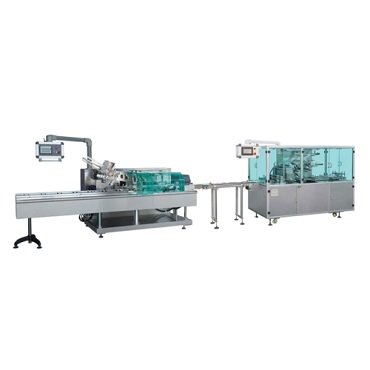
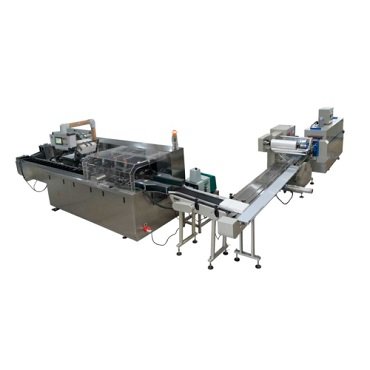
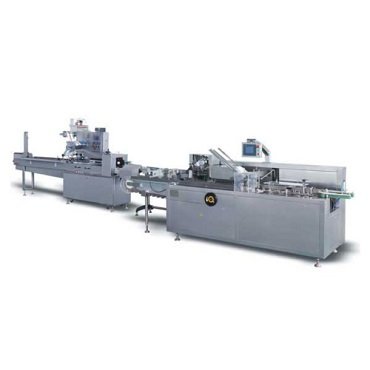
Do you want to boost production efficiency without affecting product’s quality? Then you need a smart packaging-line. The right packaging-line brings together key machines and automated steps so you can pack faster and more reliably.
In this blog post you’ll discover the main parts, processes and benefits of packing-lines that help manufacturers like you succeed today.
What is a Packaging-Line or Packing Line?

In simple terms it’s a series of interconnected machines that help you pack products quickly and safely for shipping. Your packaging-line performs different tasks like filling, sealing as well as labeling at rates from 30 to 300 packages per minute. This makes your operations smoother and your products safe and trackable.
Different Components

Now that you know what a packing-line is, let’s look at its main parts. From the first layer of wrapping to automation controls each part plays a role in your whole system.
1. Primary Packaging
Primary packaging comes into direct contact with your product. It keeps your products fresh, safe and high in quality. This layer blocks out moisture, contamination and light. It also displays your product information or branding.
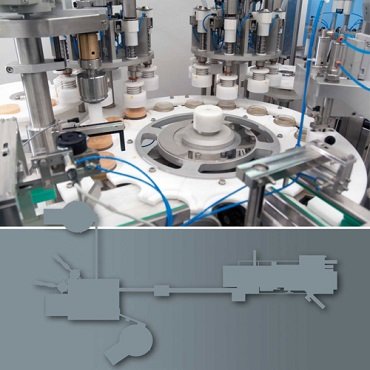
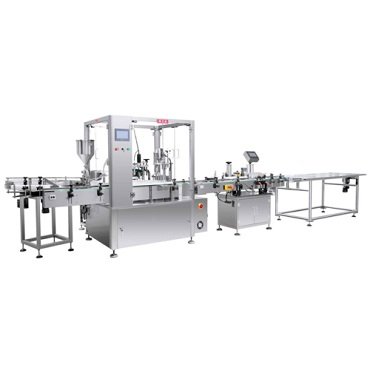
You’ll use filling machines (to fill material), cappers (to cap containers), sealers (for air-tight sealing), and labelers (to label the packaging) as the main equipment here. A good example is the Jochamp fully automatic filling, capping and labeling machine.
Check if the material matches your product and meets your shelf life needs. Also make sure it follows regulations. Sustainability is important for you too. Ensure your packaging fits your product and protects its quality. It should meet both environmental as well as customer standards.
2. Secondary Packaging
Secondary packaging holds together the primary packaged products. This makes handling, transport as well as storage easier for you. This layer also helps with your branding and tamper evidence; and also focuses on shelf appeal and regulatory details.
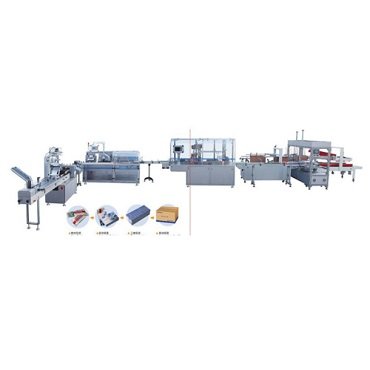
You’ll use cartoners, case packers, shrink wrappers, and bundlers as the main machines for this step.
Look at the strength of your package and material costs. Also, keep in mind how much space it uses. Sustainability matters here too. Think about easy-open features and your retail needs. You should also check if the secondary packaging will be seen by your customer or not.
3. Tertiary Packaging
Tertiary packaging combines several secondary packages into one stable load. This packaging lets you transport materials over long distances and store them in warehouses more easily. It also protects your goods and helps use space efficiently in trucks and on racks.
Palletizers, case packers, as well as stretch wrap machines, are the primary machines you’ll use for this step.
You should choose tertiary packaging based on how stable your load needs to be and what type of transport you use for it. Also, consider the environment where you’ll place or store it.
Your packaging must follow regulations and be easy to handle. Moreover, it should protect the product from moisture and other environmental impacts.
4. Conveyor Systems
Conveyors move your products from one station to another without interruption. This not only reduces your manual labor but also speeds up each process for you. They prevent bottlenecks and keep the packing, labeling, and sealing machines fed with products.
Belt, chain, roller, and overhead conveyors are the most common types you’ll encounter. Check if your system is modular and flexible and can handle the required load. Also, check speed, maintenance, and how much floor space you have available to make it work properly.
5. Automation & Control Systems
Automation systems allow you to control the entire packaging line from one central point. They link different machines, assure quality control, and deliver real‐time data for your analysis.
Typical components you’ll use are Programmable Logic Controllers (PLCs), actuators, sensors, and touch screen human‐machine interfaces. Check for modularity, flexibility, and load capacity. Double check speed, maintenance, and space to get the best results for your operation.
Packaging-Line Processes

A packaging-line performs several processes in sequence. Each step depends on the previous one to help you maintain quality and consistency.
1. Feeding Stage
The process starts with product feeding. Automated feeders – vibratory or robotic – place your products in the correct order and position. This helps prevent downtime. On high speed lines, feeders can handle thousands of units per hour. Your line always has the next item ready. When feeding is accurate, the process is efficient and, consequently, waste is also low.
2. Fill & Seal
After feeding, your products move to the filling station. Here, machines measure and fill those products into containers like pouches or bottles. Filling systems use pistons or gear pumps depending on whether your product is a powder or liquid. Sealing comes as the next step; here, pressure or heat is used to close the containers with airtight seals. If you use fast packaging lines, you can fill around 40 pouches per minute.
3. Labels and Codes
Labeling machines apply your brand and regulatory labels to each package. You can use different labelers for this purpose (like panel or top‐and‐bottom), and they can work on different container shapes and at high speeds. Their speeds mostly range between 100 and 400 packages per minute.
Coding systems print barcodes and batch numbers for you. These codes can be on the package or on the label; and can also be printed through laser coders or thermal inkjet to create clear and lasting marks for compliance and tracking. These steps assure every product you send out is accurate as well as compliant.
4. QC Checks
Quality checks inspect every package on your line. Automated vision systems check label placement, print quality, as well as seal strength. Weight checkers verify that your product is in the correct weight. Sensors detect missing labels or caps, while leak detectors find seal problems.
You or your operators may also do manual sampling to catch what automation might miss. Inspections are done at the start, during production, and after any changes. These regular checks assure that the quality is consistent and errors don’t reach your customer.
5. Palletizing & Shipping
After inspection your products are loaded onto stable pallets for easy handling. Automated palletizers stack your cases onto pallets, arranging them for transport and storage. Stretch wrappers hold your load in place to prevent movement and, as a result, avoid damage. AGVs (Automated Guided Vehicles) or forklifts then move your finished pallets to the shipping area.
This last step protects your products and prepares them for delivery to their final destination.
Benefits of Best Packing Line

- Production Increment
automated lines can handle up to 300 products per minute. Such proficiency means you’ll experience fewer stops; this leads to less downtime and fewer bottlenecks. - Better Product Quality
Machines make fewer mistakes compared to people. When you use automation, filling, sealing, and labeling are consistent, which means you’ll have fewer returns and happier customers. - Cost Savings
Efficient operations help you reduce labor costs, material waste, and energy consumption. Some automation projects have even helped companies save up to 44% on labor. - Flexibility & Scalability
Modular systems allow to quickly make changes for new products or higher output. Plus, with cloud-based controls, you can easily scale up at multiple locations whenever you need. - Regulatory Compliance
Automated checks assure that every package you produce meets requirements. Traceability systems record all data for audits, so you stay compliant with no extra effort.
To Sum Up

Automated components and processes work together in packing lines to reduce costs, increase productivity, and maintain quality control. By knowing how each part and step works, you can optimize your operations over time. JoChamp can provide you with custom packaging solutions for your entire line from start to finish. You can contact us anytime.
Related Questions
What does a cartoning machine do in a packaging-line?
A cartoning machine forms, fills, and seals cardboard cartons around your products without human intervention. This increases consistency and speed; and also reduces labor and other mistakes.
Why is autocoding important for packaging-lines?
Autocoding systems handle printer and labeler setups and perform verification by themselves. This assures that every item you produce gets the right labels and codes.
How does adaptive machine technology improve packaging-lines?
With adaptive machine technology, your packaging lines can switch between products, create custom packaging, and handle products of different sizes. This system adjusts its settings automatically according to your requirements.
How do label dispensers work in packaging-lines?
Label dispensers take labels off the backing and put them on your packages or products. They work with conveyors and use sensors for precise alignment.